Follow Jazz From One Gathering to the Next
An independent international publication connecting jazz festivals through their architectural rooms, curatorial choices and local listening habits—distinguishing live observation from archival history and practical travel context.
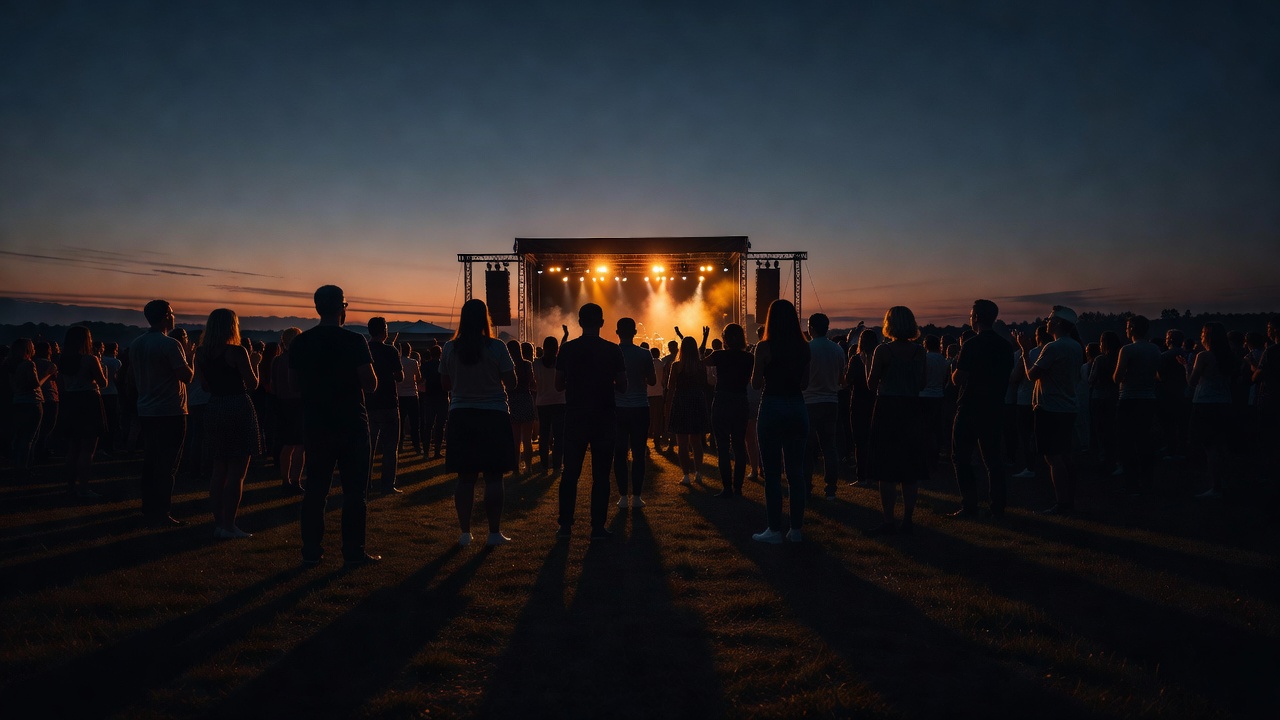
Across the Festival Map
Read full circuit dispatch →Jazz festivals did not evolve from a single blueprint. When George Wein convened the first Newport Jazz Festival in 1954, the outdoor lawn format established a seasonal model that echoed across oceans—yet European, Japanese and South African organizers adapted it to medieval squares, municipal concert houses and railway warehouses.
-
Open-Air Parks and Coastal Towns: Newport, Moldejazz & Pori
How waterfront breezes and long northern twilights shape daytime big-band bills in Rhode Island, western Norway and Finland’s Kirjurinluoto parkland.
-
Under One Roof and Across Town: Rotterdam, Montréal & Cape Town
Comparing Rotterdam Ahoy’s interlocking indoor stages during North Sea Jazz with citywide street-closure models in Montréal and Cape Town’s convention halls.
-
Chamber Intensity After Summer: Berlin, London & Tampere
Why November programmes at Jazzfest Berlin, EFG London Jazz Festival and Tampere Jazz Happening prioritize commissioned suites and attentive seated rooms.
Rooms That Shape the Sound
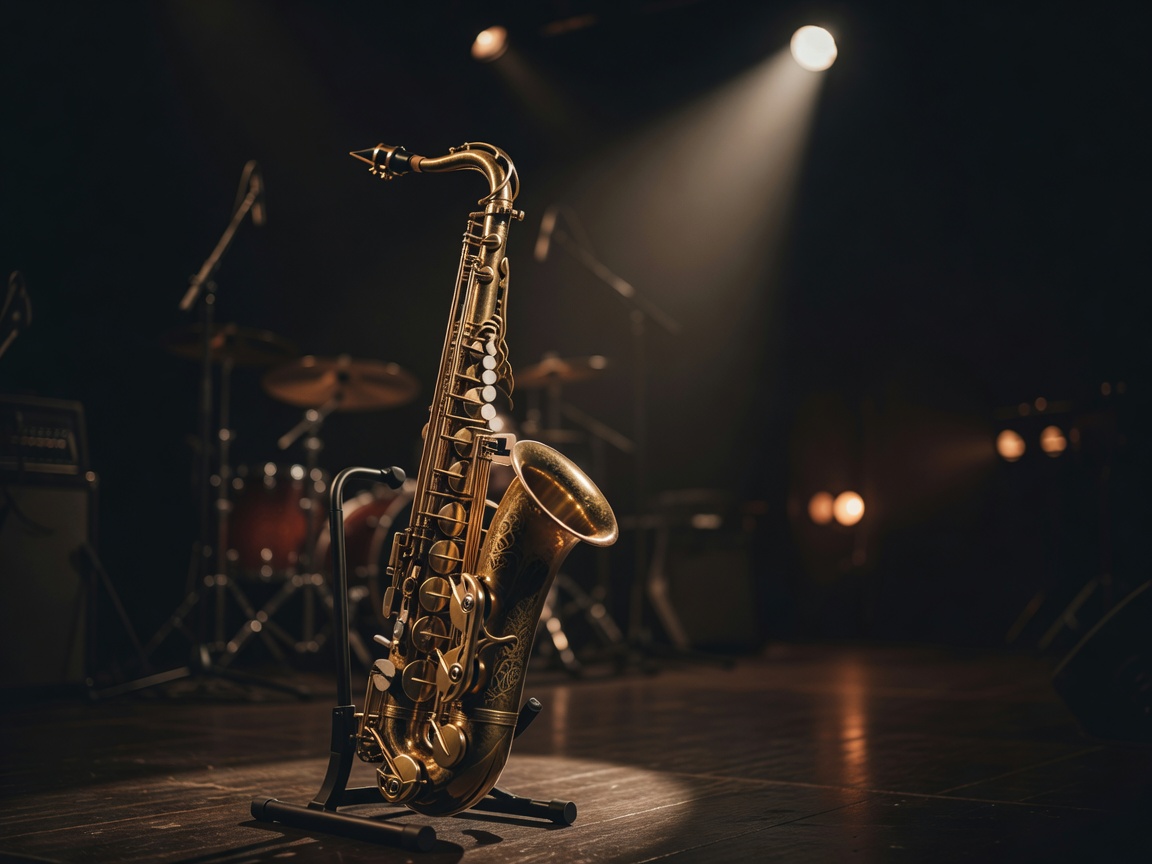
Full venue ledger →A quartet does not play the same concert in a low-ceilinged cellar as it does in a cantilevered concrete auditorium. Our venue correspondence tracks how wood panelling, stage risers and seating sightlines alter improvisation.
-
Village Vanguard, Ronnie Scott’s & Rue des Lombards
Why irregular geometry and low plaster ceilings keep upright bass articulate right to the back booth.
-
Bimhuis, Victoria Nasjonal Jazzscene & Porgy & Bess
Steep amphitheatre seating and tuned acoustic shells engineered specifically for unhurried listening.
-
Teatro Morlacchi, Preservation Hall & Shinjuku Pit Inn
How baroque boxes, unamplified floorboards and Tokyo basement clubs preserve distinct local acoustics.
How a Programme Finds Its Voice
Read curation notes →A festival poster is an editorial statement. Beneath the headline names sits a delicate architecture of artist-in-residence commissions, regional showcases, cross-border ensembles supported by bodies like the Europe Jazz Network, and late-night jam traditions.
-
Balancing Heritage Repertoire With New Commissions
Why artistic directors pair established acoustic trios with experimental electro-acoustic Premieres on adjacent stages rather than siloing them by night.
-
The Artist-in-Residence Model at Moldejazz and Jazz in Marciac
Giving one bandleader three or four distinct settings across a week lets listeners hear stylistic breadth unfold in real time.
-
How Cultural Grants Shape Programming Risk
Contrasting publicly co-funded European autumn festivals with ticket-and-sponsor-driven summer mega-festivals.
Notes for the Travelling Listener
Full listener guide →Approaching a multi-day jazz festival like a checklist quickly produces ear fatigue. Seasoned listeners plan around transit times between rooms, afternoon acoustic sets, and the quiet etiquette that keeps small clubs focused.
-
The Three-Set Rule and Avoiding Programme Burnout
Leaving breathing space between a late-afternoon solo piano recital and a midnight club set lets musical detail linger.
-
Reading Unwritten Norms From Tokyo Listening Bars to Civic Squares
When hushed silence is expected, when spontaneous applause after a solo belongs, and how to handle cameras unobtrusively.
From the Reference Desk
Editorial standards →Our dispatches cross-check field observations against foundational jazz histories, institutional archives and acoustic literature. Below are key reference works cited across this edition.
-
George Wein, Myself Among Others (2003)
Primary memoir tracing the creation of Newport Jazz Festival, European touring packages and festival economics.
-
Ted Gioia, The History of Jazz
Standard survey placing regional scenes, modal breakthroughs and international cross-pollination in chronological context.
-
Ben Ratliff, The Jazz Ear & Nat Hentoff, The Jazz Life
Essential studies on how musicians hear phrasing, bandstand interaction and club atmosphere.
-
Europe Jazz Network (EJN) & Montreux Audiovisual Archive
Reference points for cross-border touring ethics, green festival practices and preserved live concert recordings.
Questions Between Sets
All 10 reader questions →Brief answers to recurring inquiries from readers exploring international jazz festivals and historic clubs for the first time.
Why does this publication avoid ranking the “best” jazz festivals?
A 300-seat hall in Tampere and a 15-stage weekend at Rotterdam Ahoy serve entirely different musical purposes. Rather than reducing contrasting cultures to a numbered ladder, we document how each festival’s programming voice, acoustic rooms and local traditions work together.
Do you publish live ticket availability or current daily set times?
No. We focus on durable reporting—venue acoustics, curatorial history, festival structures and listener guidance—so readers never encounter stale or fabricated timetables. Always verify current dates, line-ups and box-office policies directly with each festival’s official desk.
How much jazz background do I need before attending an avant-garde or autumn festival?
Curiosity matters far more than discography memorisation. Many autumn festivals publish concise programme essays explaining how an ensemble works; listening to the dynamic conversation between instruments is an accessible entry point for any newcomer.
Where should I sit in an unfamiliar jazz club for balanced acoustic sound?
Aim for the central third of the room, clear of deep balcony overhangs and not pressed directly against a horn bell or drum cymbal. In rooms like the Village Vanguard or Fasching, mid-room sightlines let unamplified instruments blend before reaching your ears.