First-time festival visitors often arrive with a colour-coded timetable promising seven sets in a single day. By the fourth ensemble, corridors blur, acoustic details flatten into background wash, and even a luminous ballad feels rushed because the next room opens in twelve minutes. Experienced jazz travellers learn quickly that listening well requires margins of silence.
The Three-Set Rule and Navigating Multi-Venue Cities
Across most multi-day festivals, three complete sets per day—paired with an unhurried meal, a walk through the neighbourhood, and an occasional late-night drop-in—forms a resilient upper limit. Hearing a quartet from its opening count-off through its final encore allows you to follow how the rhythm section settles into the room’s resonance, how soloists build motifs across contrasting tempos, and how the audience’s focus shifts the ensemble’s risk-taking. Catching twenty-minute fragments of six bands rarely delivers the same emotional arc.
When a festival spans an entire city—as in Umbria Jazz, EFG London Jazz Festival or Festival International de Jazz de Montréal—build realistic transit cushions into your plan. Queueing for unreserved seats at an intimate church recital or a popular club room often requires arriving thirty to forty-five minutes ahead of downbeat. If two beloved bands overlap, choose one whole heartedly and let the other go; discovering an unfamiliar regional trio in a nearby hall frequently becomes the memory that outlives the headliner.
Reading Room Etiquette Across Listening Cultures
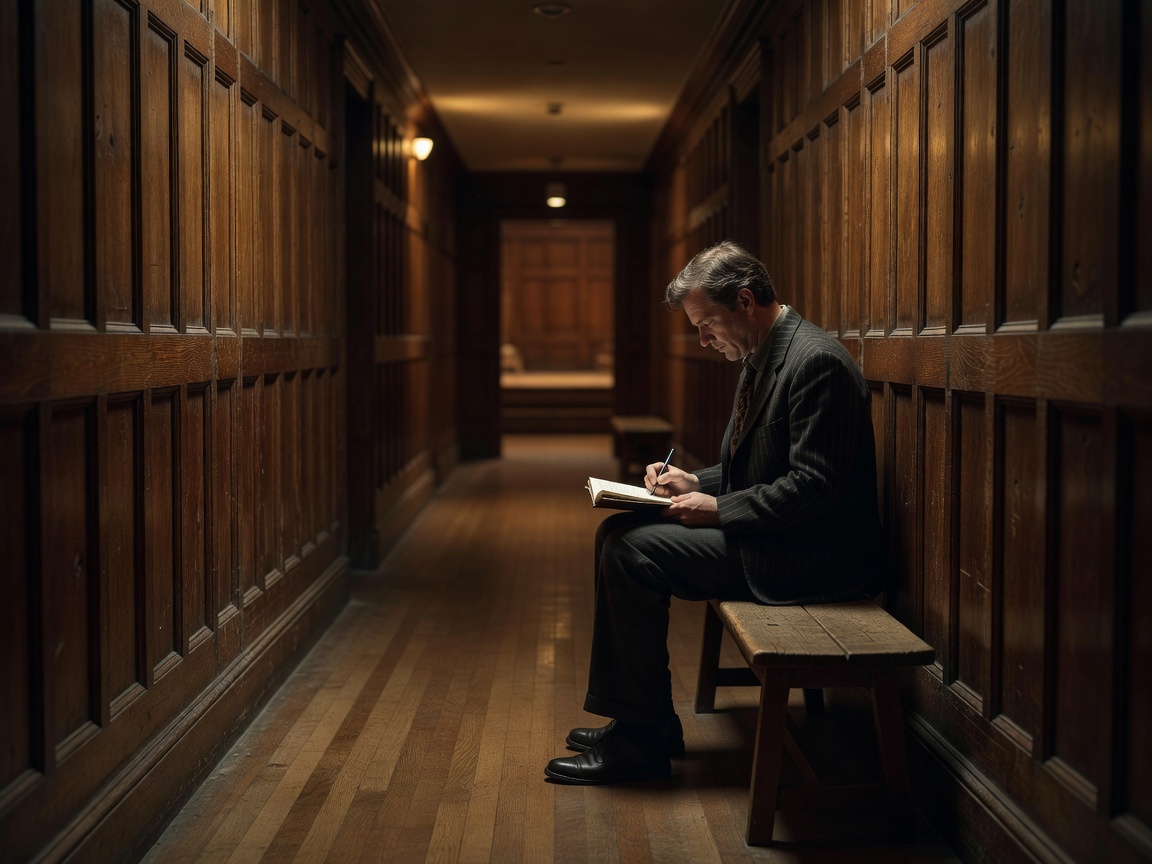
Jazz lives in remarkably varied social spaces, and observant travellers read the room before settling in. In a Japanese listening club like Shinjuku Pit Inn, an acoustic concert hall such as Wigmore Hall, or a seated showcase at Bimhuis, quiet concentration is part of the collective gift listeners offer the musicians. Whispered table chatter, clinking cutlery or bright phone screens break the fragile dynamic floor that makes a solo bass introduction audible.
By contrast, open-air lawns at Newport or Pori Jazz, street parades in Molde and New Orleans, and late-night club floors encourage warmer vocal encouragement and spontaneous applause after an inventive chorus. Applauding a solo during an upbeat swing or hard-bop tune signals engagement; during an austere ballad or continuous through-composed suite, waiting until the ensemble releases its final chord preserves the stillness. As Nat Hentoff observed in The Jazz Life, the best jazz rooms foster an unspoken reciprocity in which audience focus actively sharpens what happens on the bandstand.
Choosing Seats, Preparing Lightly and Discovering New Voices
In an unfamiliar seated room, resist the reflex to sit in the very front row unless you love close visual study of hands and embouchures. At the extreme edge of a low stage, direct sound from an individual amplifier or drum cymbal can overpower the overall ensemble blend. Rows four through ten near the centre axis—clear of deep balcony overhangs that muffle treble detail—generally offer the truest balance between acoustic projection and room warmth.
How much homework should you do before packing? Sample two tracks from ensembles you do not recognize—not to spoil the live performance, which will diverge through improvisation anyway, but to identify tonal worlds that intrigue you. Make room on every festival itinerary for at least one local or national showcase featuring players whose names are entirely new to you. That habit turns an international trip from a nostalgia tour into an active encounter with living music.
Practical Habits for Respectful Travel
Because independent festivals operate on tight margins and local hospitality, small listener habits make a measurable difference: confirm official box-office rules directly with the venue rather than relying on secondary resellers; check photography policies before raising a lens; and support artists directly at the merch table when recordings or vinyl editions are offered after the set. Many independent labels and touring bands rely heavily on those face-to-face exchanges between concerts.